
The allure of gambling: Understanding attraction
The world of casinos is crafted to entice individuals through a combination of sensory experiences, from the glimmer of slot machines to the sounds of laughter and applause. This vibrant environment plays a pivotal role in attracting players, influencing their decision-making processes. The psychological allure is deeply rooted in human emotions, particularly the thrill of potential victory and the excitement of risk-taking. Casinos utilize this understanding by designing their spaces to maximize engagement and encourage longer play times, ultimately impacting the decisions that players make. Additionally, many enthusiasts search for the best online poker sites for real money to experience this thrill from the comfort of their homes.
Furthermore, the concept of near misses—situations where players almost win—can heighten excitement and lead to continued play. This phenomenon is tied to the psychology of hope and the desire to chase that elusive win. As players become engrossed in these experiences, their ability to evaluate risks and rewards can become skewed, often leading to decisions driven more by emotion than logic.
Cognitive biases and their impact on gambling behavior
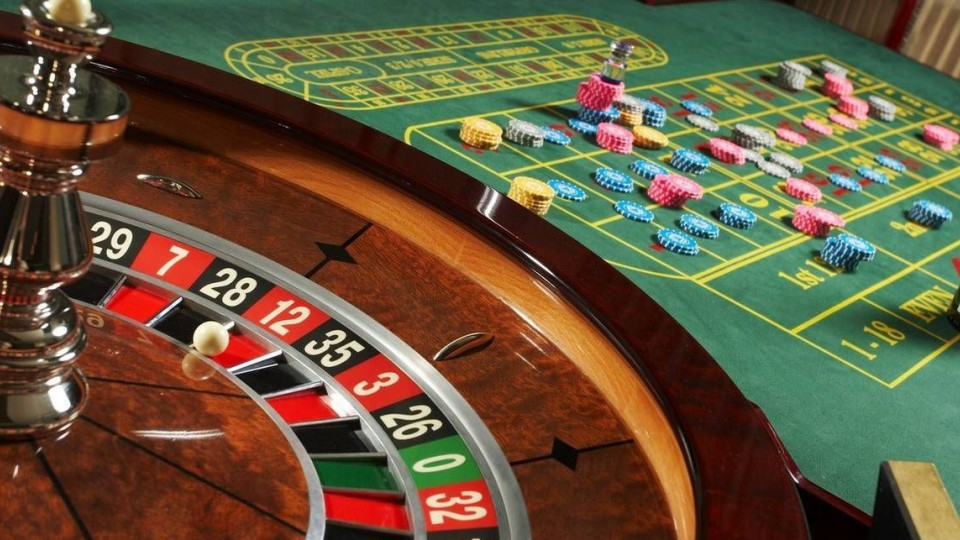
Cognitive biases significantly affect how individuals assess risks in gambling situations. One of the most prevalent biases is the gambler’s fallacy, where players believe that past outcomes will influence future ones. For instance, a player might think that after several losses at a roulette table, a win is due, leading to increased bets. This distortion in thinking alters their risk perception and can lead to irrational decision-making, often resulting in substantial losses.
Another significant factor is confirmation bias, where individuals seek out information that supports their existing beliefs about gambling. This might manifest as players disregarding losses or only remembering wins, reinforcing their desire to continue playing. By understanding these cognitive biases, casinos can tailor their marketing and game offerings to capitalize on the psychological tendencies of gamblers, further influencing decision-making in their favor.
The role of emotions in risk-taking
Emotions play a crucial role in risk-taking behaviors within casinos. The excitement and adrenaline rush associated with gambling can override rational thinking and exacerbate the allure of risky bets. As players experience wins, they may feel a rush of euphoria, which can lead to riskier decisions in hopes of recapturing that high. Conversely, losses can generate emotions such as frustration and anger, prompting players to make impulsive decisions to try and recover their losses. This cycle of emotional highs and lows creates a precarious situation in which players may overestimate their chances of winning, further deepening their involvement.
Moreover, social interactions and peer pressure within casino settings can amplify emotional responses and influence decision-making. Whether it’s cheering for a friend at a table or sharing a celebratory moment after a win, the social element can lead to a more communal experience that reinforces risk-taking behavior. Understanding the emotional landscape of gambling can help both players and industry professionals navigate the complexities of decision-making in these high-stakes environments.
Influence of environmental factors on gambling choices
The design and atmosphere of a casino have a profound effect on player behavior and decision-making. Elements such as lighting, music, and layout are strategically implemented to create an immersive experience that encourages players to spend more time and money. For instance, the absence of natural light and the use of stimulating sounds can disorient players, making it difficult for them to gauge time and losses accurately. This engineered environment fosters an inclination toward risk-taking as players become less aware of their surroundings and more absorbed in the gaming experience.
In addition, promotional tactics such as bonuses and loyalty programs are designed to influence decisions. These incentives can lead players to perceive a lower risk in their gambling activities, motivating them to engage more frequently or place larger bets. By examining how these environmental and promotional factors interact with psychological tendencies, one can better understand why players make certain decisions and take risks in casino settings.

Exploring resources for informed decision-making in gambling
As the complexity of gambling psychology unfolds, it becomes essential for players to access resources that help navigate their choices responsibly. Websites dedicated to gambling education can provide valuable insights into the psychological factors at play, enabling individuals to make more informed decisions. These platforms often offer strategies for managing risks and understanding the underlying motivations behind gambling behavior.
While many individuals engage in gambling for entertainment, it’s crucial to approach it with awareness and knowledge. Resources that discuss responsible gambling practices, risks involved, and psychological insights can empower players to engage in a balanced manner. By understanding the psychology behind their actions, individuals can enjoy the experience while minimizing the potential negative consequences associated with gambling.